Ceylon cinnamon (scientifically Cinnamomum verum) is widely known in the spice trade as "true cinnamon." Native primarily to Sri Lanka and southern India,
it is harvested from the thin inner bark of the evergreen tree. It is highly prized for its delicate, complex flavor and its significantly lower levels of coumarin compared to other varieties.
When judging between Ceylon and Cassia (which includes Chinese, Indonesian, and Saigon varieties), the easiest way to identify them is by looking at the physical structure of the bark.
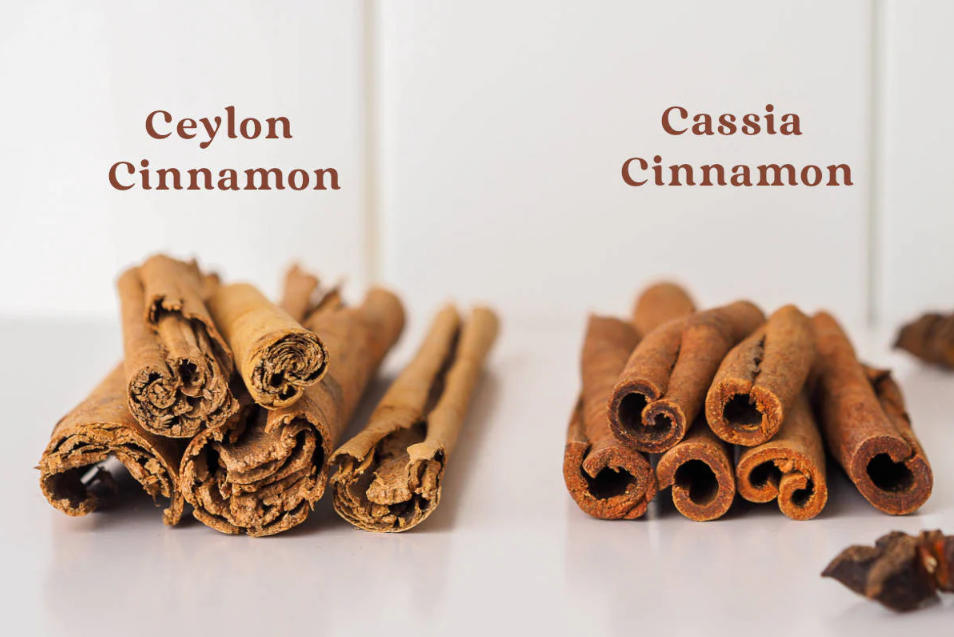
How to Judge the Difference
If you are evaluating whole cinnamon sticks (quills), the visual and physical differences are immediate. If you are dealing with ground powder,
you have to rely on color, aroma, and chemical testing.
| Feature | Ceylon Cinnamon (C. verum) | Cassia Cinnamon (C. cassia) |
| Structure (Quills) | Multiple paper-thin layers rolled together like a cigar. | A single, thick layer of bark curled inward, forming a hollow tube. |
Texture & Hardness | Very fragile and brittle; easily broken by hand or ground in a standard spice grinder | Very hard and woody; difficult to break by hand and can damage standard blades. |
| Color | Lighter, tan to pale brown | Darker, reddish-brown. |
| Flavor Profile | Mild, sweet, with subtle citrus and floral notes | Strong, pungent, spicy, and warm (the classic ""cinnamon roll"" flavor) |
The Coumarin Factor
One of the most critical distinctions for importers, buyers, and health-conscious consumers is the chemical composition—specifically coumarin, a naturally occurring compound that acts as a blood thinner and can cause liver toxicity in high, sustained doses.
1.Ceylon: Contains only trace amounts of coumarin (typically around 0.017 g/kg). It is considered safe for daily, heavy consumption.
2.Cassia: Contains high levels of coumarin (ranging from 0.31 to 6.97 g/kg, depending on the specific region). Many European countries strictly regulate the amount of Cassia-derived coumarin allowed in commercial baked goods.
Buying Tip: If a product is simply labeled "Cinnamon" in North America or Asia without specifying the origin, it is almost certainly Cassia, as it is much cheaper to produce and dominates the global commercial market.