When procuring commercial Cassia (Cinnamomum cassia) for food manufacturing, industrial grinding, or retail packaging, selecting the correct physical grade is one of the most critical decisions in your supply chain.
While all three forms come from the same aromatic bark, the processing method determines the physical shape, volatile oil retention, packaging density, and—most importantly—the landed shipping cost per kilogram.
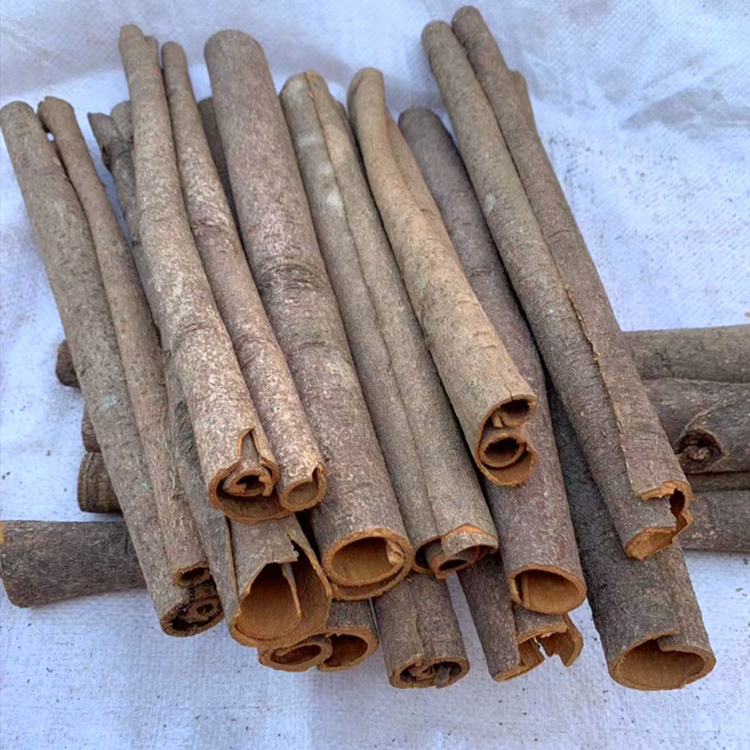
Primary Application: Retail packaging, culinary spice jars, food service display, and premium whole-spice distribution.
Physical Form: Whole bark harvested from branches or young trunks that naturally rolls into tight, hollow cylinders as it dries. Typically cut to standardized lengths (e.g., 8 cm, 10 cm, 15 cm, or 30 cm).
Processing: Carefully hand-peeled, scraped to remove the tough outer gray skin (either fully scraped or semi-scraped), and air-dried to retain a smooth, uniform appearance.
Commercial Advantages: Offers the highest visual appeal and aesthetic value with strong volatile oil retention (2.5% to 4.5%+).
Freight Efficiency: Low. Because the tubes are hollow, they enclose significant air space inside cartons. A standard 40ft HQ container can typically fit only 6 to 10 metric tons of unpressed tubes, resulting in a higher freight cost per kilogram.
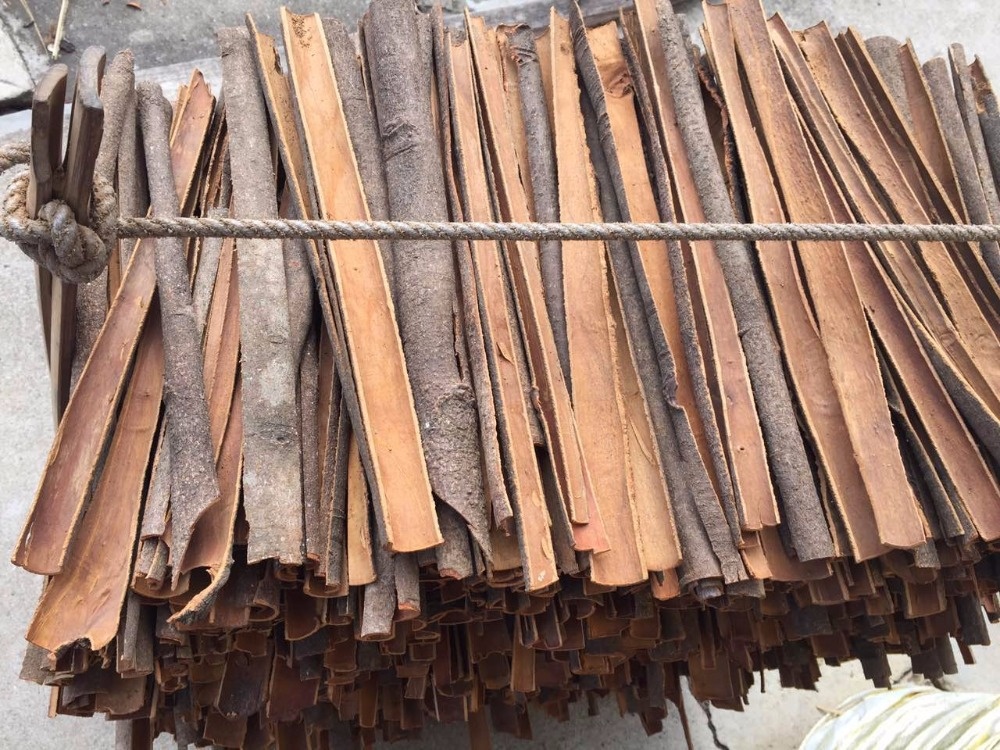
Primary Application: Mid-tier spice blends, tea bag cutting (TBC), coarse chopping, and standard wholesale distribution.
Physical Form: Long strips or pieces of cassia bark that have been longitudinally split or broken during harvesting and drying. They do not form tight, full cylinders.
Processing: Bark is peeled and allowed to split or flat-dry naturally. Available in both scraped (cleaner look, lower ash content) and unscraped (higher bark skin, lower raw material cost) varieties.
Commercial Advantages: Strikes an optimal balance between unit price and visual quality. It is cleaner and easier to handle than un-sorted broken bark.
Freight Efficiency: Medium. Lacks the hollow center of tubes, allowing tighter packing in polywoven bags or cartons. A 40ft container fits approximately 13 to 15 metric tons.
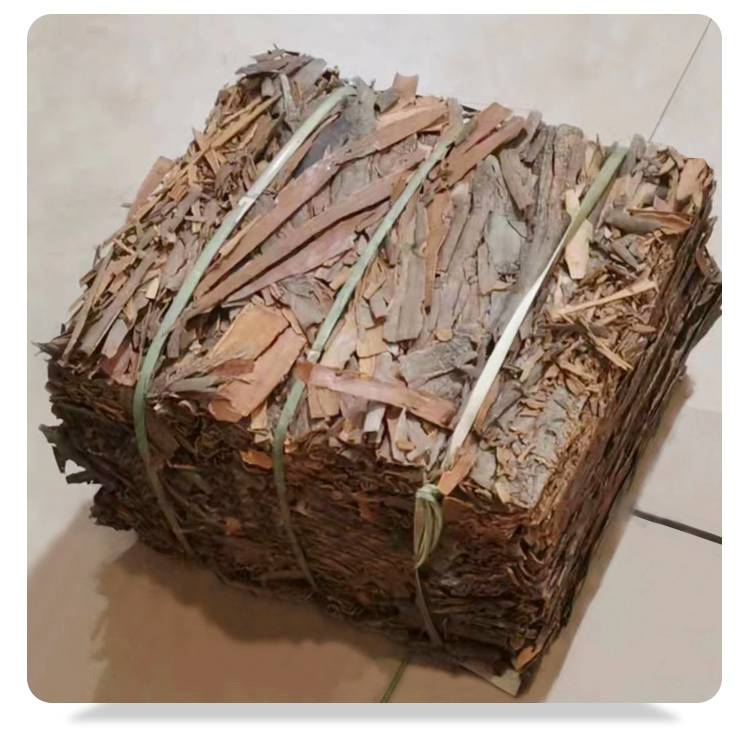
Primary Application: High-volume industrial millers, essential oil extraction facilities (cinnamaldehyde production), and bulk importers prioritizing shipping margins.
Physical Form: Whole or split cassia bark that has been steam-conditioned and flattened under heavy-duty hydraulic presses into solid, compact, high-density bales.
Processing: Dried bark is conditioned with light humidity to make fibers pliable, compressed into dense blocks under tons of pressure, and strapped tightly into 10 kg, 20 kg, or 25 kg bales.
Commercial Advantages: Highly durable with minimal inner shatter during ocean transit. Engineered specifically to maximize throughput in industrial grinding machinery and automated feeding systems.
Freight Efficiency: Maximum. Hydraulic pressing eliminates internal air gaps. A 40ft container can carry 20 to 25 metric tons (subject to local highway weight limits), cutting per-ton sea freight expenses by up to 50% compared to unpressed quills.
| Specification | Cassia Tubes | Split Cassia | Pressed Cassia |
| Physical Appearance | Neat, hollow rolls | Flat/curved strips | Flattened, dense bales |
| Primary End Use | Retail jars, culinary display | Spice blends, tea bags | Grinding mills, oil extraction |
Volatile Oil (VO) | High (2.5% – 4.5%+) | Medium-High (1.5% – 3.5%) | Medium-High (2.0% – 4.0%) |
Price per Metric Ton | Premium | Moderate | Cost-Effective |
| 40ft HQ Load Capacity | 6 – 10 Metric Tons | 13 – 15 Metric Tons | 20 – 25 Metric Tons |
| Transit Shatter Risk | High (fragile tubes) | Moderate | Lowest |
1. Choose Cassia Tubes if your brand focuses on retail-ready spice jars where consumers visually inspect individual sticks for uniform length and curling.
2. Choose Split Cassia if you need a cost-balanced whole spice for repacking, blending, or tea production where round quills are unnecessary.
3. Choose Pressed Cassia if you operate a commercial grinding facility or import large volume shipments, as the container density delivers the lowest landed cost per kilogram.