| Type | Harvest / Formation | Appearance | Aroma & Application |
|---|---|---|---|
| Autumn Star Anise | Matured and harvested in autumn | Larger, fuller, well-formed reddish-brown pods | Rich aroma; widely used for cooking and spice products |
| Spring Star Anise | Matured and harvested in spring | Smaller, thinner, lighter-colored pods | Distinctive aroma; commonly used in spice processing |
| Gan-Zhi Star Anise | Remains on the tree and naturally dries before falling | Darker, thinner, shriveled and harder | More rustic aroma; commonly used for spice processing |
Autumn Star Anise, also known as Da-Hong Star Anise, is harvested during the autumn maturity period. It generally has larger and fuller pods with an attractive reddish-brown color. Chinese standards classify Da-Hong Star Anise as fruit harvested at autumn maturity and then dried after degreening.
Key features: larger size, fuller shape, attractive appearance, and strong natural aroma.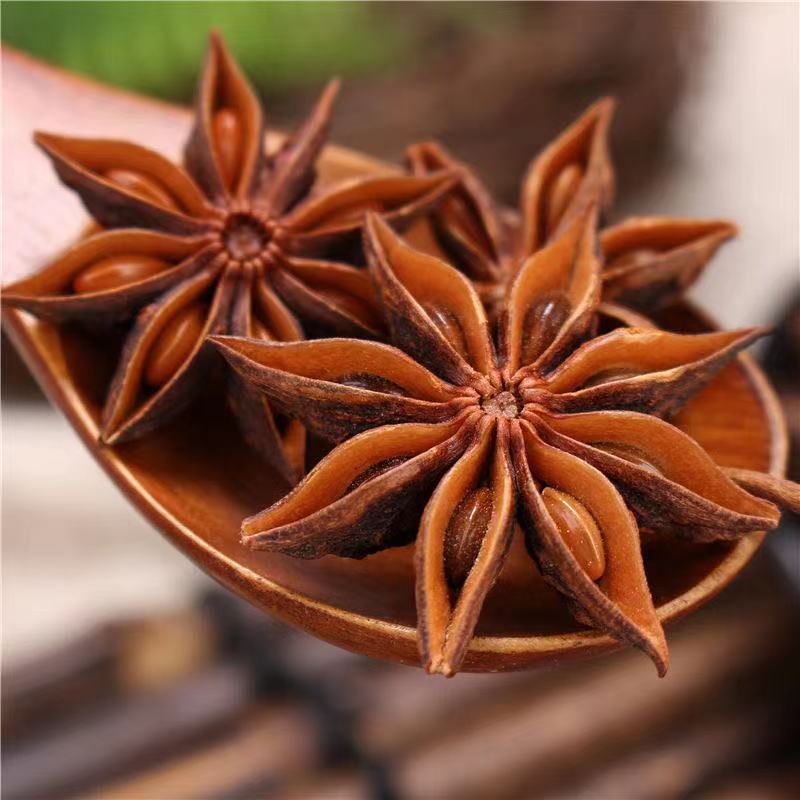
Spring Star Anise, also known as Jiao-Hua Star Anise, is harvested during the spring maturity period. It is generally smaller and thinner than autumn fruit. Commercial specifications commonly distinguish spring fruit from autumn fruit by smaller pod size.
Key features: smaller pods, thinner petals, lighter appearance, and a distinctive aroma.
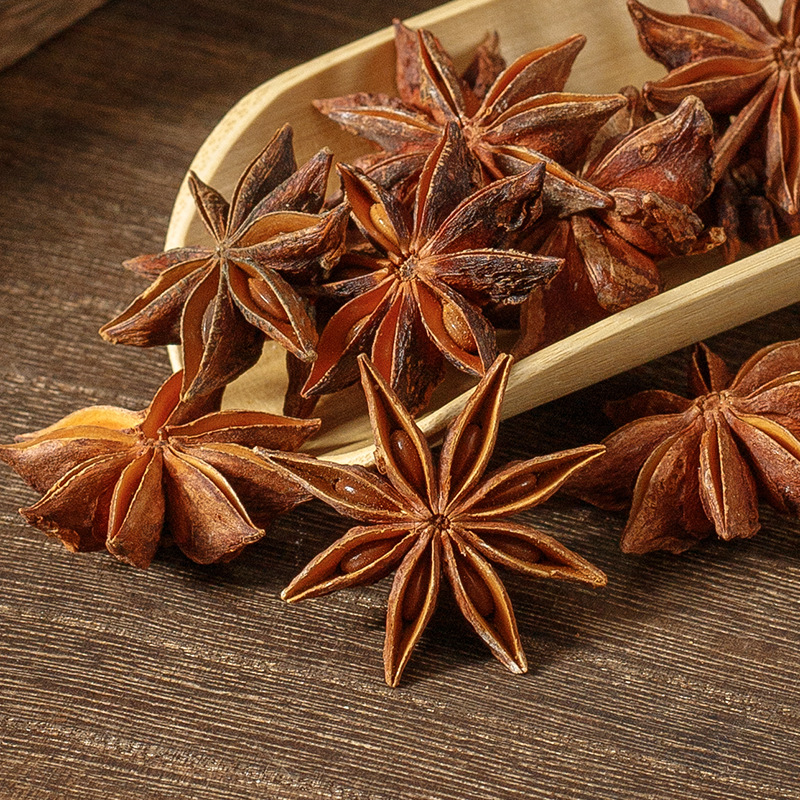
Gan-Zhi Star Anise is different from the two seasonal harvests. According to the Chinese standard, it refers to star anise fruit that has naturally dried and fallen, rather than being harvested and processed in the normal way.
It is usually darker, harder, thinner, and more shriveled than well-formed autumn star anise.
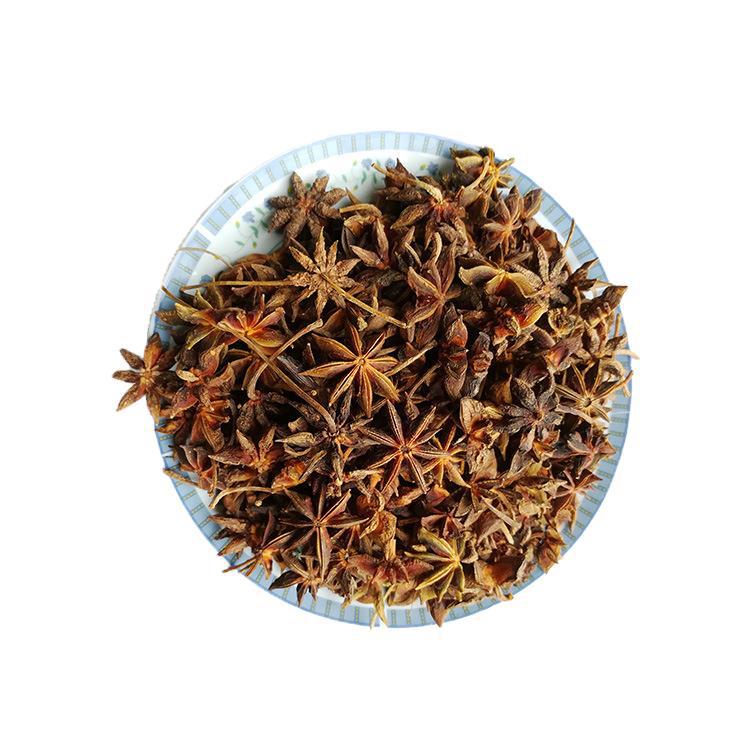
Autumn = Large & Full
Spring = Small & Thin
Gan-Zhi = Naturally Dried & Fallen
When purchasing in bulk, buyers should not judge quality by appearance alone. Check aroma, moisture, impurities, broken rate, pod size, volatile oil content, and processing conditions according to the intended application.
The main difference is that Autumn and Spring Star Anise are named according to their harvest seasons, while Gan-Zhi Star Anise is identified by its natural drying and falling process. Autumn Star Anise is generally larger and fuller, Spring Star Anise is smaller and thinner, and Gan-Zhi Star Anise is naturally dried, darker, and more shriveled.
Which Star Anise is larger, spring or autumn?
Autumn Star Anise is generally larger and fuller, while Spring Star Anise is generally smaller and thinner.
What does Gan-Zhi mean in Star Anise?
Gan-Zhi refers to Star Anise fruit that naturally dries and falls from the tree rather than being harvested in the normal seasonal harvest.
Is Gan-Zhi Star Anise the same as Spring Star Anise?
No. Spring Star Anise is classified by its spring harvest period, while Gan-Zhi Star Anise is classified by its natural drying and falling process.
Which Star Anise has higher volatile oil content?
Research comparing the three types found differences in volatile-oil composition and yield, with Jiao-Hua (spring) showing the highest volatile-oil yield in that study, followed by Gan-Zhi and Da-Hong (autumn).