Chinese star anise (Illicium verum) is primarily native to and distributed across South China and northeast Vietnam, with China's Guangxi province acting as the global powerhouse for its production.
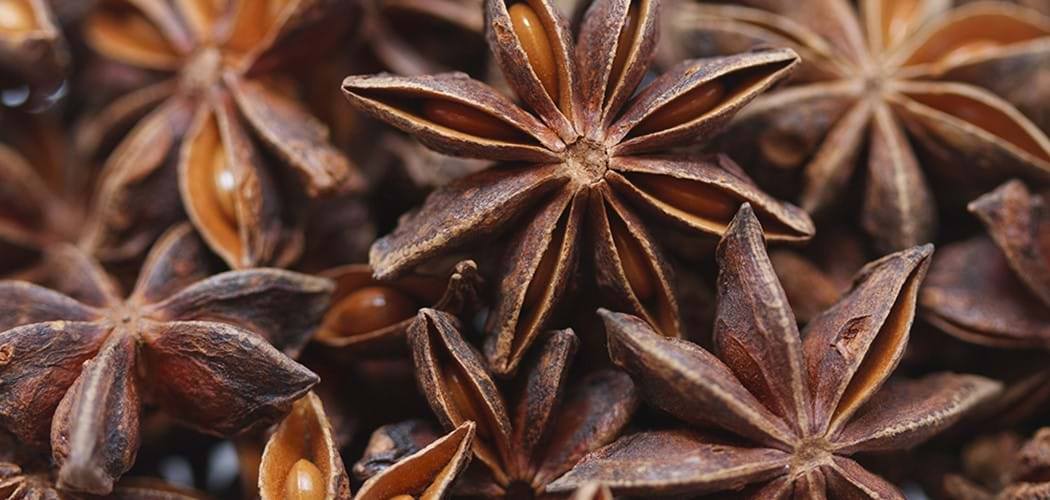
The plant is unique because it yields two distinct harvest seasons per year: the Spring crop and the Autumn crop.
Primary Distribution Regions
Guangxi Province (China): This mountainous region is the world's most critical hub, single-handedly accounting for more than 85% of global star anise production
Other Southern Chinese Provinces: Cultivation heavily spans across neighboring humid, subtropical regions including Guangdong, Yunnan, and Fujian.
Northeast Vietnam: Regions bordering China (such as Lang Son province) are also primary native growing zones
Minor Cultivation: Limited quantities are grown globally in highly specific agro-climatic zones, such as the state of Arunachal Pradesh in India.
Typical Harvest Seasons
The star-shaped pods are meticulously hand-picked just before they fully ripen and are then dried in the sun:
1.The Autumn Crop (Primary Season): Typically harvested from August to October (or late July through September depending on the microclimate). This crop is considered the premium choice, yielding larger, darker, and more pungent pods packed with flavorful essential oils.
2. The Spring Crop (Secondary Season): Typically harvested from February to April/May. These pods are usually lighter in color, slightly smaller, and often processed into ground powder blends.
If you are tracking agricultural supply chains or interested in sourcing, I can provide a breakdown of how weather changes impact market prices or detail the drying and processing steps used right after harvest!