The color of dried ginger can vary from light yellow to dark brown, depending on the ginger variety, harvest maturity, processing methods, drying conditions, and storage environment. A darker appearance does not always indicate lower quality. Understanding the reasons behind these color differences helps importers, wholesalers, and food manufacturers choose the right dried ginger for their specific applications.
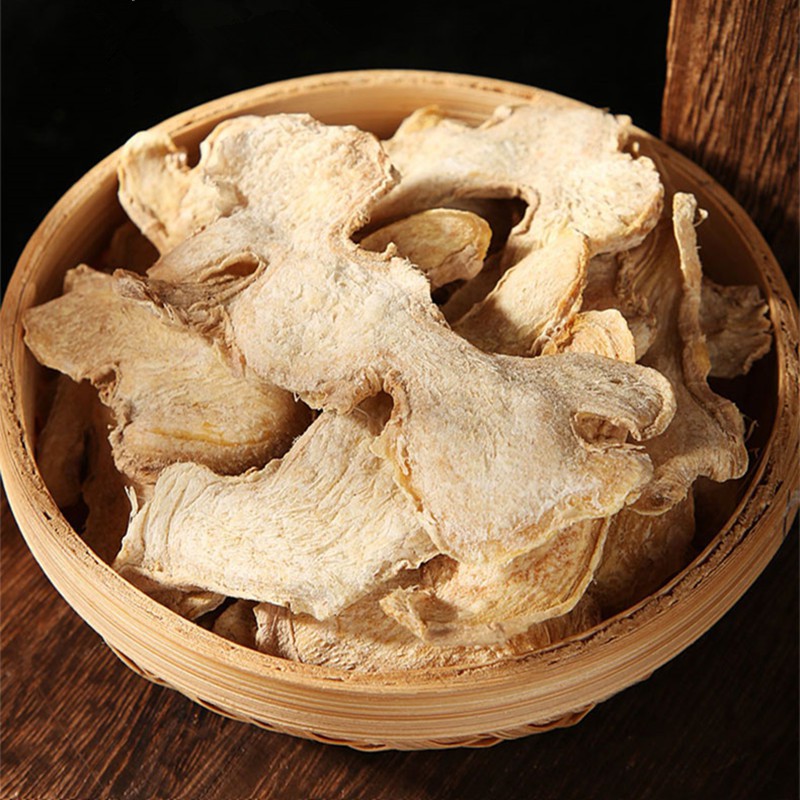
Different ginger varieties naturally produce different colors after drying. Some varieties have a lighter interior, while others develop a darker or more golden appearance. This is a normal characteristic and not necessarily a sign of poor quality.
The maturity of fresh ginger at harvest significantly affects the final color.
Young ginger usually dries into a lighter yellow color with a milder flavor.
Mature ginger often produces darker slices with a stronger aroma and more concentrated flavor.
Many industrial buyers prefer mature dried ginger because of its higher essential oil content and stronger taste.
Processing methods also influence color.
Peeled dried ginger generally appears lighter and cleaner.
Unpeeled dried ginger retains the natural outer skin, giving it a darker appearance after drying.
Both types are widely used in international markets, depending on customer preferences.
The drying process has a major impact on color.
Natural sun drying may result in slight color variations due to changing weather conditions and drying time.
Controlled hot-air drying produces a more uniform color and consistent moisture level.
Excessive drying temperatures can darken the ginger because of natural browning reactions. Professional manufacturers carefully control drying temperatures to maintain product quality.
After slicing, ginger is exposed to air. Natural oxidation may gradually darken the surface before or during drying. This is a normal process and does not necessarily affect flavor or food safety.
Improper storage can also cause dried ginger to darken over time.
Factors include:
High humidity
Direct sunlight
Excessive heat
Poor ventilation
Long storage periods
Proper storage in a cool, dry place helps preserve color, aroma, and product quality.
If dried ginger retains too much moisture, it may continue to change color during storage. Reliable suppliers control moisture levels carefully to improve shelf life and maintain consistent quality.
Not necessarily. Color alone should not be used to judge quality. A premium dried ginger product should be evaluated based on several factors:
Natural ginger aroma
Clean appearance
Uniform slicing
Appropriate moisture content
Minimal impurities
Consistent size
Compliance with food safety standards
Laboratory testing and supplier quality control provide a more accurate assessment than color alone.
When purchasing dried ginger in bulk, look for suppliers that provide:
Premium raw materials
Consistent grading
Hygienic processing
HACCP and ISO 22000 certification
Certificate of Analysis (COA)
Low moisture content
Professional export packaging
Stable year-round supply
Choosing an experienced supplier helps ensure consistent quality and reliable international delivery.
Some dried ginger is darker because of natural differences in ginger variety, harvest maturity, peeling, drying methods, oxidation, moisture content, and storage conditions. In most cases, darker color is a natural result of processing rather than an indicator of poor quality. Buyers should evaluate dried ginger based on aroma, cleanliness, consistency, food safety standards, and supplier reliability rather than color alone.
Is darker dried ginger lower quality?
No. Darker color is often caused by the ginger variety, harvest maturity, drying method, oxidation, or storage conditions. Quality should also be evaluated by aroma, cleanliness, moisture content, and food safety standards.
Does peeled ginger look lighter than unpeeled ginger?
Yes. Peeled dried ginger generally has a lighter, cleaner appearance, while unpeeled ginger retains its outer skin and usually appears darker.
Can drying temperature affect ginger color?
Yes. High drying temperatures can cause natural browning, while controlled drying helps maintain a more uniform color and consistent quality.
How should dried ginger be stored?
Store dried ginger in a cool, dry, well-ventilated place away from direct sunlight and moisture. Proper storage helps preserve its color, aroma, and shelf life.